
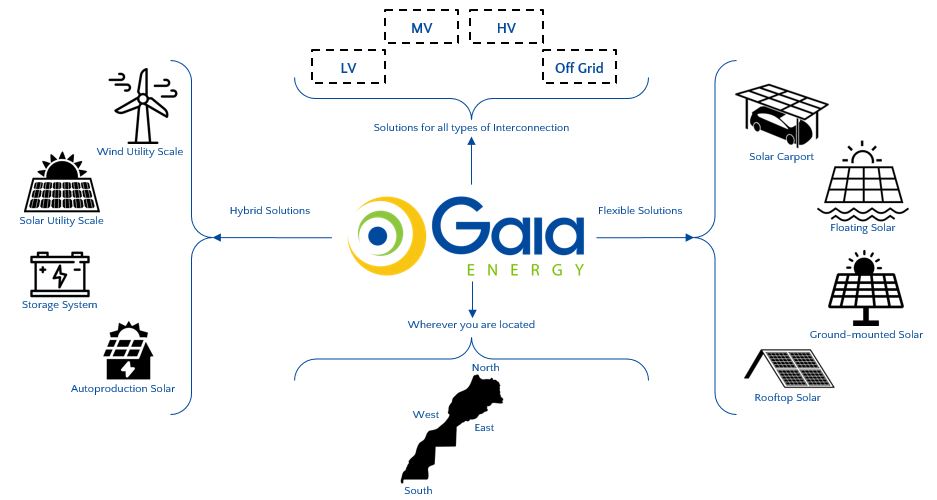
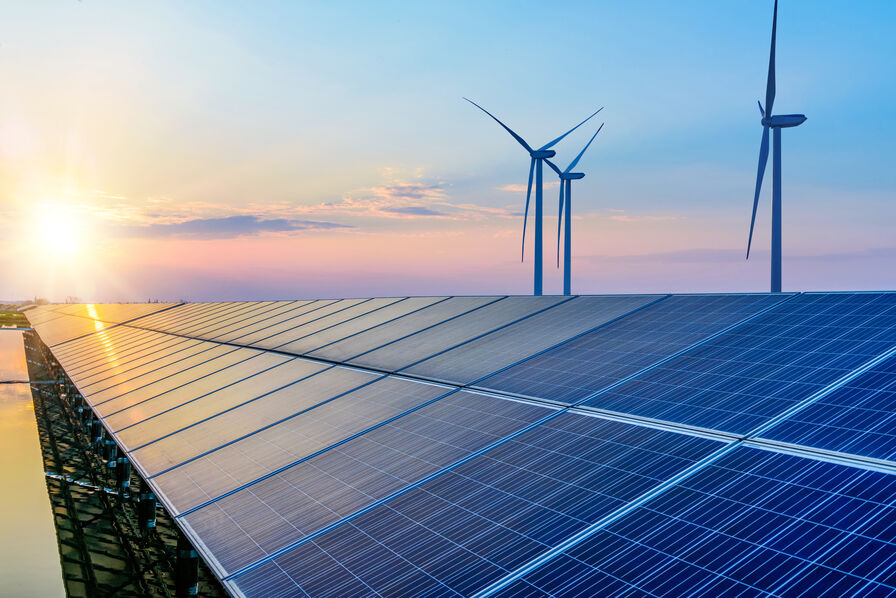



For both high-voltage and medium-voltage customers, we present an extensive selection of competitive electricity supply solutions. This includes options ranging from our diverse solar parks to our high-capacity-factor wind farms, or even a blend of energy sources.
Hybrid Solutions
Aspirations
Business Model
Business Model
Business Model
Business Model
Flexible Solutions
We offer a wide range of electricity supply solutions, each designed to meet specific customer needs. From customized renewable energy options, including solar and wind solutions, to medium-voltage (MV) and high-voltage (HV) customer cases, we offer a wide range of choices. Whether you’re looking to reduce costs, improve sustainability or optimize energy consumption, our range of offerings guarantees a comprehensive approach that aligns with your objectives.
- Our commitment is to present you with a versatile portfolio, enabling us to tailor the solution precisely to your individual needs, guaranteeing efficiency, sustainability and cost-effectiveness.
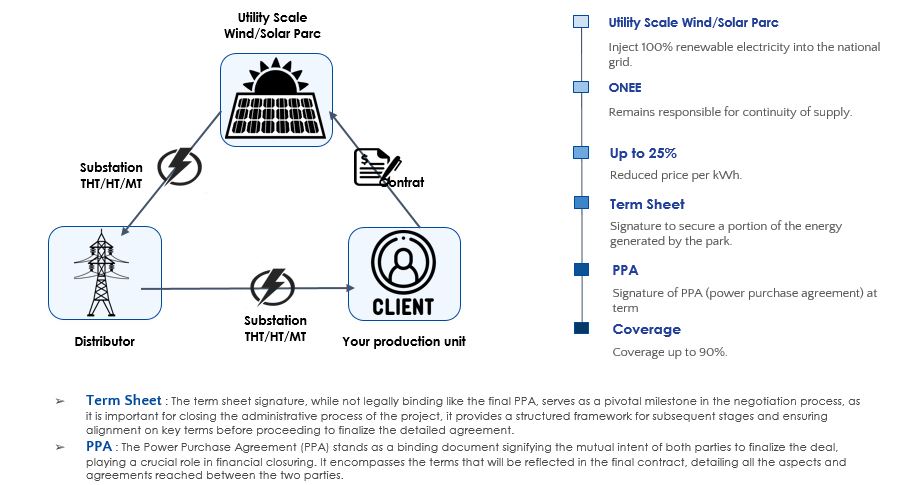
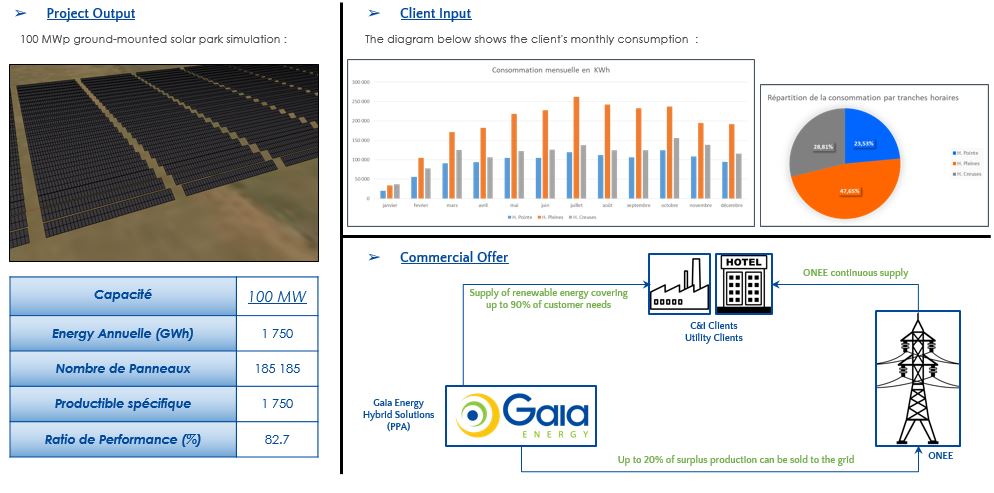
Our agreements establish a direct link between renewable energy producers – solar and wind farms – and medium- and high-voltage consumers. MV and HV customers benefit from the stability and sustainability of renewable energy sources without the need for direct investment in infrastructure. These tailor-made PPAs guarantee a constant supply of clean energy while meeting the specific energy needs of large consumers, making a significant contribution to their environmental objectives and often offering long-term cost advantages over traditional methods of energy supply.
Commercial & Technical approach
- Our sales team will be with you every step of the way, from our first meeting to the signing of the power purchase agreement. We’ll set up initial meetings to present and clarify our diverse range of offers and potential PPA opportunities. We’ll provide you with various economically advantageous energy supply scenarios for your site, guiding you in understanding your potential consumption, navigating regulatory and administrative procedures, and negotiating the final terms of the power purchase agreement.
- Our highly qualified technical team excels in this field, and is committed to thoroughly examining your case. By analyzing your needs in depth, we are committed to designing the most ideal and effective solution, specifically tailored to your site.
Power Purchase Agreement (PPA)
A power purchase agreement (PPA) is a contract between an electricity producer and a buyer. Here’s an overview of the contract to help you understand it better :
- Parties involved : PPA involves two main parties: the power producer – Gaia Energy Morocco – the supplier of renewable energy (solar and wind farms), and the buyer, which can be a company, municipality or entity looking to purchase electricity.
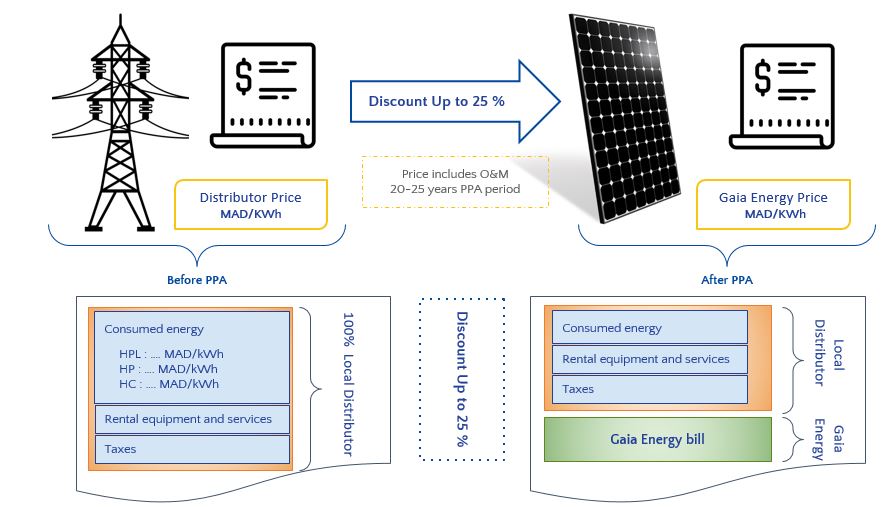
- Electricity purchase: The buyer agrees to purchase a specific quantity of electricity, usually at an agreed price (lower than that of the usual distributor), from the producer over a specific period, from 15 to 25 years.
- Emphasis on renewable energies: The generator generally produces renewable electricity, such as solar, wind or hydro power, in line with the buyer’s sustainability objectives (positive environmental impact, reduced carbon emissions, cleaner air and preservation of natural resources).
- Financial and environmental benefits: PPAs can offer financial benefits thanks to fixed energy prices, saving money over the long term compared with fluctuating market prices. In addition, PPAs contribute to environmental sustainability by supporting clean energy production and reducing carbon footprints.
- Contractual terms: Details of the agreement include contract duration, pricing, responsibilities of each party, and any penalties or termination clauses.
- Flexibility and offsetting energy costs: PPAs offer flexibility, enabling buyers to secure a stable energy supply while avoiding the upfront costs of building and maintaining their own renewable energy infrastructure.
PPA Process
The Power Purchase Agreement (PPA) process involves several key steps:
- Initial discussions and creation of a roadmap: The process begins with preliminary discussions between the power producer – Gaia Energy Maroc – and the potential buyer. The parties outline their interests, objectives and initial conditions. A term sheet – a non-binding document – can be created to summarize the key points of the proposed power purchase agreement. It includes details such as the duration of the agreement, the volume of electricity, the pricing structure, indexation clauses and other essential conditions.
- Negotiation and due diligence: Once the principle of the term sheet has been accepted, negotiations begin to finalize the terms and conditions. At the same time, both parties carry out due diligence, assessing the technical, financial and regulatory aspects to ensure the feasibility and viability of the project.
- Signing the Letter of Intent: Once negotiations have been completed and both parties are satisfied with the terms set out in the contract, they proceed to sign it. This step formalizes the preliminary agreement and signals the intention to go ahead with the drafting of the final PPA.
- PPA drafting and legal review: Once the term sheet has been signed, the detailed PPA is prepared. Legal teams on both sides review and finalize the agreement, ensuring that it complies with legal, regulatory and industry standards. Any revisions or clarifications are addressed during this phase.
- Signing the final PPA: Once all parties are satisfied with the terms and conditions, and the legal review is complete, the final PPA is signed. It formalizes the contractual commitment between producer and buyer, defining obligations, responsibilities and agreed conditions.
- Energy delivery and compliance: When the renewable energy infrastructure becomes operational, electricity is generated and supplied to the buyer according to the conditions specified in the power purchase agreement. Both parties adhere to the agreed terms, with regular monitoring, reporting and compliance with regulatory requirements.
PPA Benefits
Power Purchase Agreements (PPAs) offer several advantages to electricity buyers and renewable energy suppliers:
- Price stability: PPAs often provide a fixed or predictable price for electricity over a defined period. This stability protects buyers from fluctuating market prices and enables them to better control energy costs.
- Cost savings: Buyers can potentially save on energy costs over the long term thanks to the competitive prices offered by renewable energy suppliers. PPAs provide electricity at lower rates than traditional utilities.
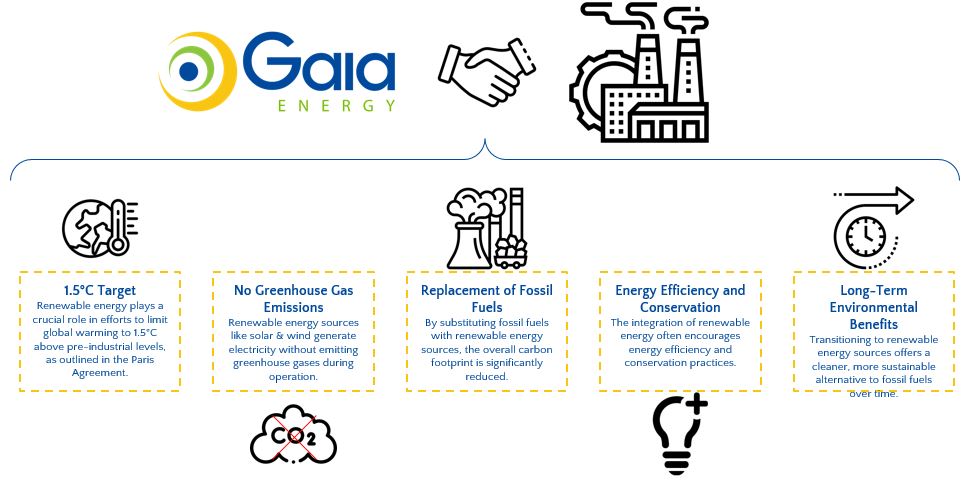
- Environmental impact: PPAs promote the use of renewable energy sources, reduce carbon footprints and encourage sustainable development. Buyers can align themselves with environmental objectives by sourcing cleaner energy.
- Energy security: Long-term PPAs guarantee a reliable and constant supply of energy, which enhances the energy security of buyers, especially companies that depend on an uninterrupted power supply.
- No upfront investment: PPAs often require no upfront investment from buyers, as the renewable energy supplier finances, builds and operates the infrastructure. This gives buyers access to clean energy without a large capital outlay.
- Hedging against price volatility: For renewable energy suppliers, PPAs offer a stable revenue stream, reducing the risks associated with volatile energy markets and providing financial stability for project development and operation.
- Regulatory benefits: PPAs promote compliance with environmental regulations and sustainable development objectives set by governments or industries, strengthening a company’s reputation and compliance efforts.
- Flexibility and customization: PPAs can be tailored to meet specific energy needs, allowing flexibility in contract terms, energy volume and duration to suit different buyer preferences.
- Economic development: PPAs often contribute to local economic development by creating jobs and supporting the growth of renewable energy infrastructure.
- Risk mitigation: Buyers and suppliers alike benefit from the risk mitigation strategies incorporated into PPAs, which address issues related to technological advances, regulatory changes and operational risks.
Overall, PPAs present a win-win scenario, offering financial, environmental and operational benefits to both parties involved, promoting the growth of renewable energies while meeting buyers’ energy needs.
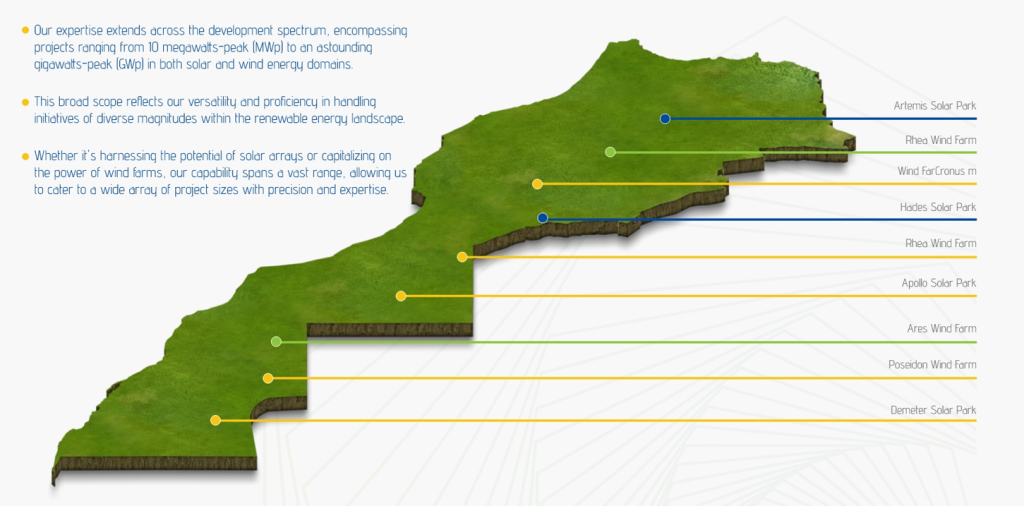
GEPA PIPELINE
Advanced development projects
Mid stage development projects
Early stage development projects
Cronus Wind Farm
Poseidon Wind Farm
Rhea Wind Farm
Ares Wind & Solar
Apollo Solar Park
Artemis Solar Park
Demeter Solar Park
Hades Solar Park
Hera Solar Park
Zeus Pipeline
Cronus Wind Farm
- Technology : Wind
- Capacity : 600 MW
- CO2 emissions avoided : 2 040 000 Ton/Year
- COD : 2025
- Capex : 850 M€
- Development stage : Advanced
- Ratio of Country’s RE Capacity : 17%

Poseidon Wind Farm
- Technology : Wind
- Capacity : 600 MW
- CO2 emissions avoided : 1 598 000 Ton/Year
- COD : 2026
- Capex : 450 M€
- Development stage : Advanced
- Ratio of Country’s RE Capacity : 13%
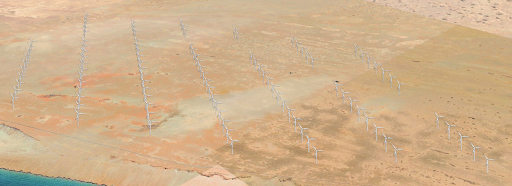
Rhea Wind Farm
- Technology : Wind
- Capacity : 200 MW
- CO2 emissions avoided : 680 000 Ton/Year
- COD : 2024
- Capex : 200 M€
- Development stage : Advanced
- Ratio of Country’s RE Capacity : 6%
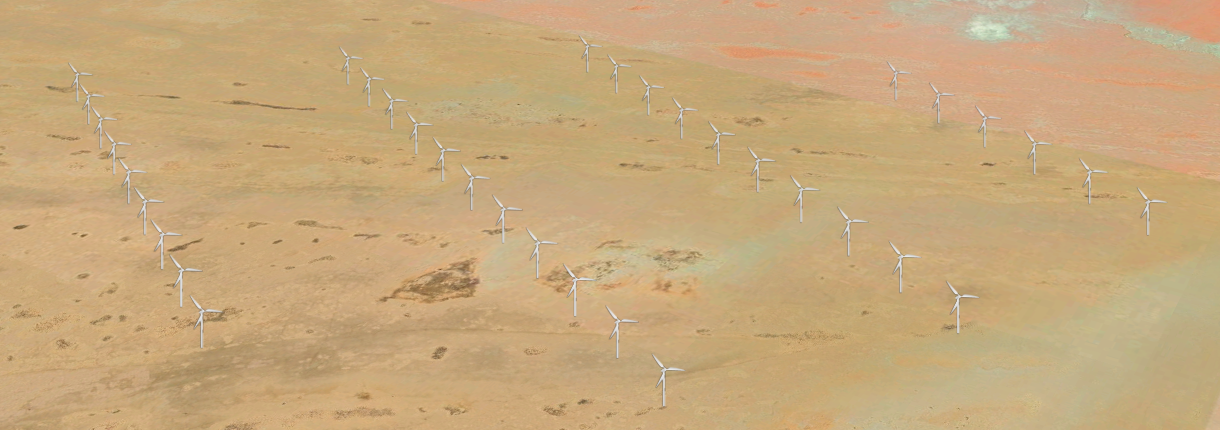
Ares Wind & Solar
- Technology :Wind + Solar
- Capacity : 12 000 MW
- CO2 emissions avoided : 40 8000 000 Ton/Year
- COD : -
- Capex : 11 000 M€
- Development stage : Early
- Ratio of Country’s RE Capacity : 341%
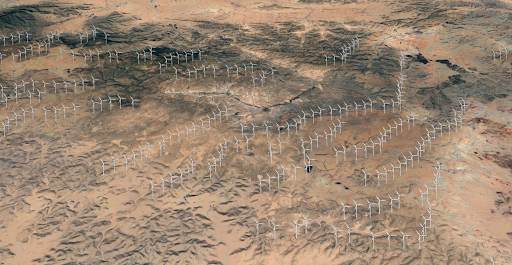
Apollo Solar Park
- Technology : Solar
- Capacity : 150 MWp
- CO2 emissions avoided : 510 000 Ton/Year
- COD : 2025
- Capex : 97 M€
- Development stage : Advanced
- Ratio of Country’s RE Capacity : 4%
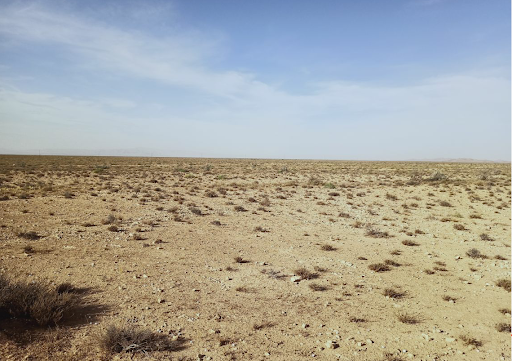
Artemis Solar Park
- Technology : Solar
- Capacity : 150 MWp
- CO2 emissions avoided : 510 000 Ton/Year
- COD : 2026
- Capex : 97 M€
- Development stage : Mid
- Ratio of Country’s RE Capacity : 4%
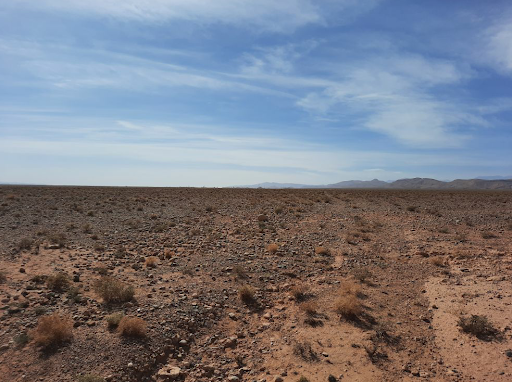
Demeter Solar Park
- Technology : Solar
- Capacity : 85 MWp
- CO2 emissions avoided : 289 000 Ton/Year
- COD : 2024
- Capex : 55 M€
- Development stage : Advanced
- Ratio of Country’s RE Capacity : 2%
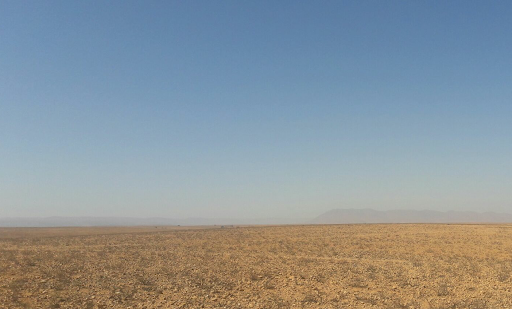
Hades Solar Park
- Technology : Solar
- Capacity : 150 MWp
- CO2 emissions avoided : 510 000 Ton/Year
- COD : 2026
- Capex : 97 M€
- Development stage : Mid
- Ratio of Country’s RE Capacity : 4%
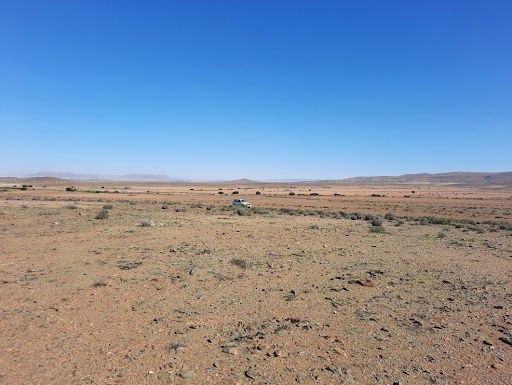
Hera Solar Park
- Technology : Solar
- Capacity : 300 MWp
- CO2 emissions avoided : 1 020 000 Ton/Year
- COD : 2026
- Capex : 195 M€
- Development stage : Early
- Ratio of Country’s RE Capacity : 9%
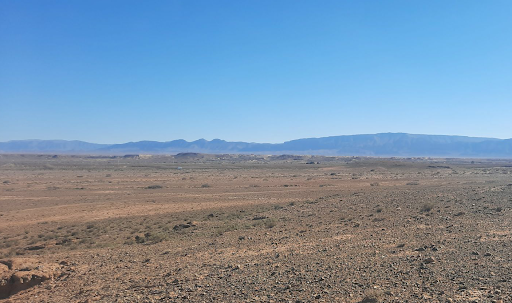
Zeus Pipeline
- Technology : Solar
- Capacity : 150 MWp
- CO2 emissions avoided : 510 000 Ton/Year
- COD : 2025
- Capex : 100 M€
- Development stage : Advanced
- Ratio of Country’s RE Capacity : 4%
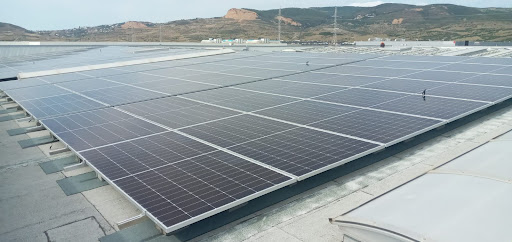
New Future Green Zone
GAIA ENERGY MOROCCO OFFER
Gaia Energy Maroc supplies 100% green electricity, without any financial investment on your part, simply by signing a power purchase agreement, you can benefit from a significant reduction in your electricity bill and a certified supply of clean, green electricity.
Gaia Energy Maroc is developing several solar and wind farms in Morocco under Law 13.09 with leading international partners.
ADVANTAGEOUS RATES
A discount of up to 15% will be applied to all your electricity tariffs.
GUARANTEED & SECURED SUPPLY
- The park that supplies you will have access to and be connected to the ONEE or your utility's network, to ensure the supply of electricity to its customers.
- ONEE or your utility will remain responsible for the continuity of electricity supply, as well as for meter readings.
- You will keep the same meter, no changes will be made to your installation.
MARKET LIBERALIZATION WITH PUBLIC SERVICE GUARANTEES
Opening up the market will make it possible to improve competitiveness between different energy suppliers, while guaranteeing public service missions.
The public service represented by ONEE guarantees :
- Operation, maintenance and development of the energy distribution network.
- Energy quality and continuity of supply: regardless of your energy supplier, ONEE guarantees access to the electricity network for all its customers.
- Installation safety: your electrical installations remain unchanged, and no technical intervention is required.
- Meter reading management: ONEE will transmit your meter readings to Gaia Energy every month, so that we can draw up a bill based on your actual consumption.
- Maintain your contractual commitments: you retain the contract between you and ONEE, an amendment will be inserted stipulating contract with a second energy supplier.
PROMULGATED BY DAHIR N°1-10-16 OF SAFAR 1431 (February 11, 2010) AND PUBLISHED IN BULLETIN OFFICIEL N°5822 DU 1ER RABII DE 1431 (March 18, 2010)
The new legislative framework for the renewable energies sector sets the following objectives:
- The promotion of energy production from renewable sources, its marketing and export by public or private entities.
- The introduction of an authorization or declaration system for renewable energy production facilities.
- The right for an operator to generate electricity from renewable sources on behalf of a consumer or group of consumers connected to the national medium-voltage (MV), high-voltage (HV) and very-high-voltage (VHV) electricity grid, under an agreement whereby they undertake to take off and consume the electricity thus generated exclusively for their own use.
- With a view to fostering the emergence of a strong, competitive industry, the implementing decree on medium voltage (MV) will be amended in the future version of law 13.09 in favor of clean industry, determining the conditions (taxes) of sale and purchase of electricity from renewable sources.
- The electricity we supply comes from solar or wind farms developed by Gaia Energy and its partners.
- Through its projects, Gaia Energy and its partners position themselves as a marketing company of renewable energy, 100% green and clean.
- Gaia Energy, your green energy producer and supplier, ensures your competitiveness by optimizing your energy resources and your bill.
- Green electricity allow you to access international markets without being penalized by the carbon tax thanks to the certificate.
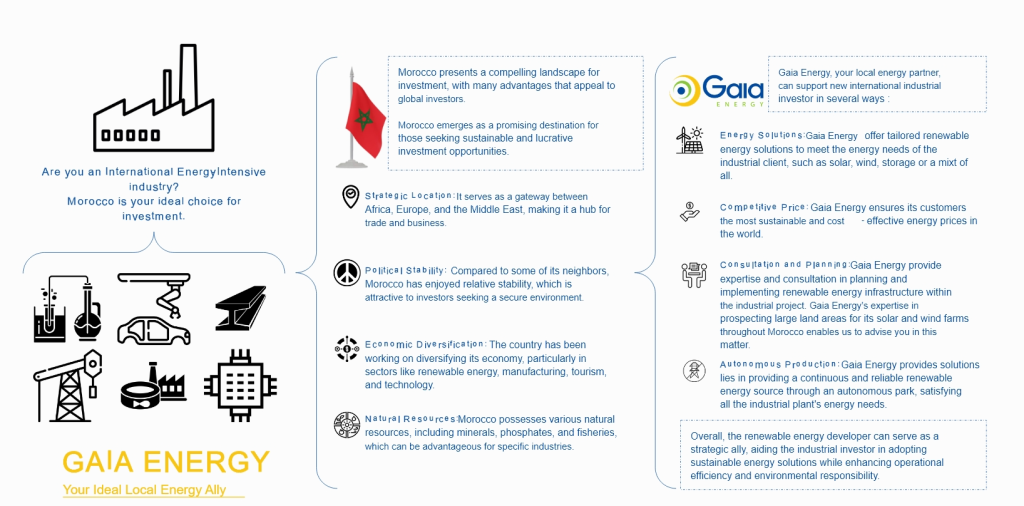
For international industries willing to invest in morocco :
- Gaia Energy serves as a crucial ally and energy collaborator for global industries eyeing investments in Morocco, attracting them with the world's most competitive kilowatt-hour rates, making Morocco an appealing prospect for their energy needs and investment aspirations.
- Benefiting from Morocco's strategic geographical location as a bridge between Europe, Africa, and the Middle East, offering access to multiple markets, we highlight its investment-friendly policies, as stable political environment and transparent legal system.
UP TO -15% OF SAVINGS
economic
Discount on the rate applied by ONEE or your electricity company & on the annual bill.100% RENEWABLE
CLEAN
Renewable energies certified to avoid export carbon tax
100% SECURE
RELIABLE
ONEE or the operator remains responsible for the continuity of electricity supply and meter readings. electricity supply and meter readings.100% SIMPLE AND FAST
SMART METERT
Electronic billing, intelligent metering capable of tracking electricity consumption in detail and in real time.Energy Mix
- Net Metering Legislation (Law n°58-15) in Morocco
The Moroccan government passed the Net Metering Law at the end of 2015. This new law complements the Renewable Energy Development Act by introducing a net metering system for wind and solar photovoltaic power plants connected to the high-voltage grid and, later, for those connected at medium- and low-voltage levels.
- National Energy Strategy in Morocco
The Moroccan government implemented the national energy strategy in 2009, with the following objectives: to increase the share of renewable energies in total electricity generation capacity to 52% by 2030; to reduce energy consumption in buildings, industry and transport by 2030; to install an additional 3,900 MW of combined-cycle technology running on imported natural gas by 2030.
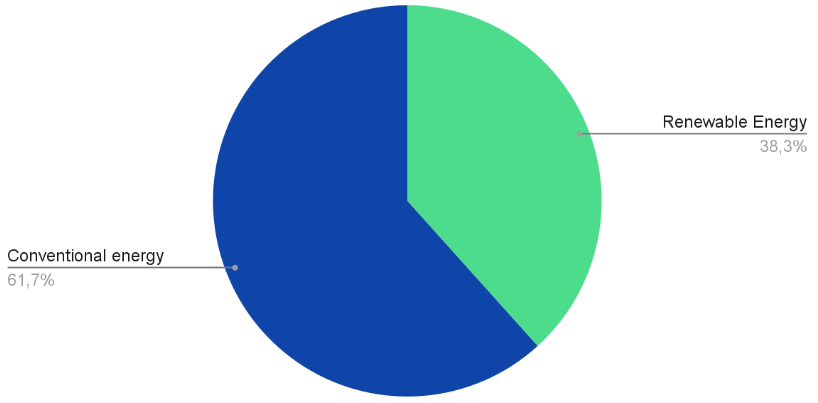
Pourcentage of renewable energies in installed Capacity [%] [2022]
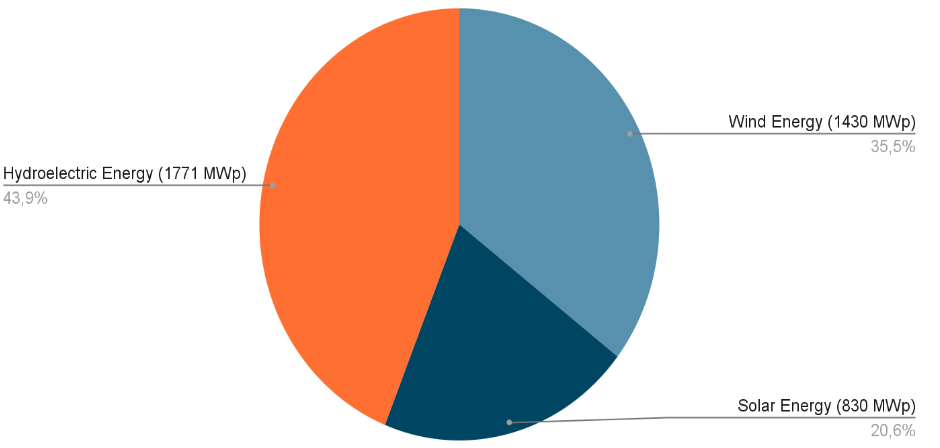
Renewable energy Mix in Morocco [2022]
Legislative and Regulatory Framework
- Law n°13-09 on renewable energies is part of the framework for the production of electricity from renewable sources.
Law n°13-09 on renewable energies was promulgated by Dahir n°1-10-16 of February 11, 2010. Its purpose is “to intervene with a view to developing and adapting the renewable energies sector to future technological developments, and to encourage private initiatives”.
This law introduces 4 major innovations:
Opening up electricity production from renewable energy sources to competition.
Access to the national MV, HV and EHV grid for all producers of electricity from renewable sources.
The possibility of exporting electricity from renewable sources using the national grid and interconnections.
The possibility for a developer to build a direct transmission line in the event of insufficient capacity on the national transmission network and interconnections.
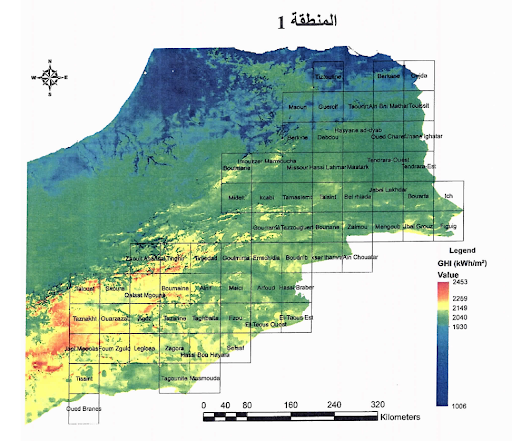
- Solar Zoning.
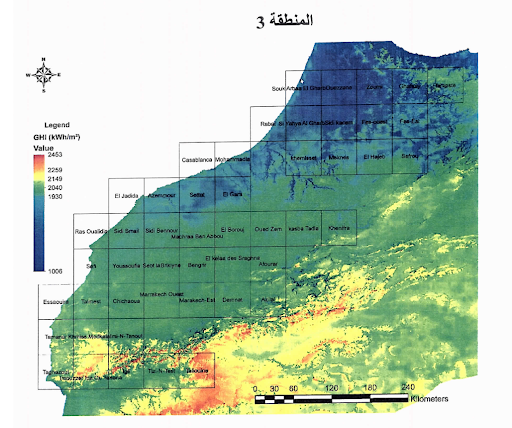
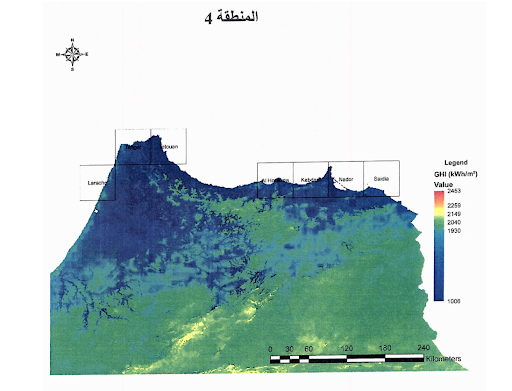
The decision setting out the areas in which solar power plants can be built was adopted and published in the Official Bulletin on September 26, 2022.